A D2C skincare brand
Paid acquisition
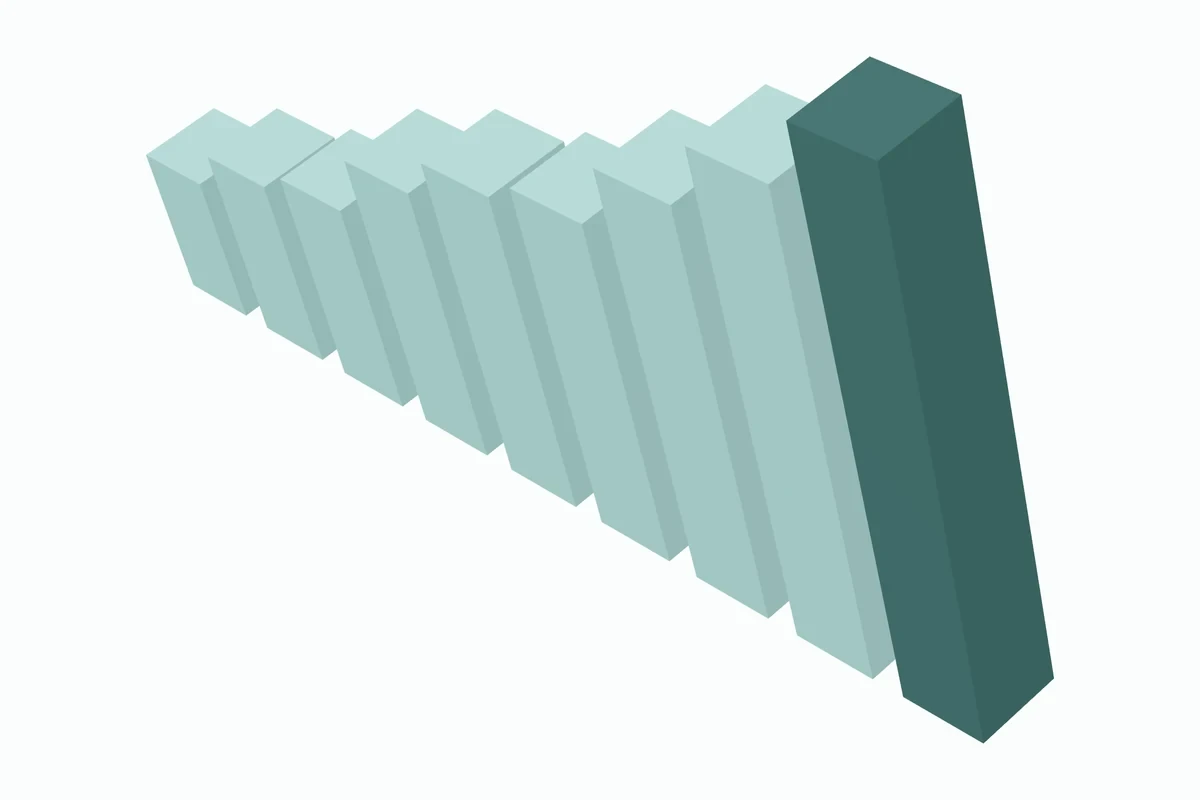
3x the first-time buyers across nine product drops
3x
first-time buyers per drop
From about 1,100 to 3,400 first-time buyers a drop, across nine drops, April to December 2025, the company's store dashboard
Drop 1, April 2025
1,100
first-time buyers a drop
Drop 9, December 2025
3,400
first-time buyers a drop
Nine product drops in nine months, each treated as a separate campaign that started from nothing. We built one launch system instead: the same creative test, the same checkout, the same five emails. By the fourth drop it was running itself.
The problem
Every drop began with a blank page. Creative was made in the week before, the checkout flow was rebuilt each time, and nothing learned in one drop reached the next. Cost per first-time buyer rose with every drop while the audience got larger.
That last part is the detail worth sitting with. A growing audience should make acquisition cheaper. Theirs was getting more expensive, which meant the launches were not compounding. Each one was buying attention from scratch, at the price attention costs on the day you need it most.
The cause was the calendar. A drop date would land, the product photography would arrive four days before, creative would be made over a weekend, and the ads would go live into a cold audience on the morning of the launch. There was no time to test anything, so every creative that ran was a guess being paid for at full price. And because the checkout was rebuilt each time, often by whoever was free, the page that took the money was the least considered thing in the launch.
What we did
One repeatable launch, with three fixed parts and a three-week run-up. After that, each drop only changed the product, the creative and the dates.
A creative test that ran two weeks ahead, on a small budget. Six concepts, a daily budget small enough that losing did not matter, pointed at a waitlist page rather than at a product. We judged them on the cost of a waitlist signup and on how far people watched, not on purchases, because there was nothing to purchase yet. By the time spend scaled on drop day, the winner was already known. The reasoning is in the creative testing loop.
One checkout page, built once. The pricing argument got settled properly: whether the bundle or the single unit led, what happened with shipping, and the one objection that came up in every support conversation. Then it stopped being rebuilt. Nine drops ran through the same page with the product and the photography swapped.
Five emails from signup to purchase. One for what is coming and when. One for what the product is for and who it isn't for, which is the email that did the most work. One carrying the proof, which for skincare meant the formulation and the testing. One when the drop goes live. One at the end with what is actually left in stock, which only ever said a true number.
The run-up became a calendar with fixed slots: creative test at minus 14 days, waitlist open at minus 14, emails one to three between minus 10 and minus 1, drop at zero, last email at plus 2. By the fourth drop nobody needed to ask what happened next.
Who did what
I ran acquisition and wrote the emails and the checkout page. The company's content team made the creative to a brief. Their engineer built the checkout once, and we stopped rebuilding it. The founders chose the products and the dates, which is the part nobody outside should be choosing.
What didn’t work
Influencer posts timed to drop day. We lined up creators for the morning of the launch, on the theory that a drop needs noise when it opens. They moved signups and almost no purchases, and the cost per first-time buyer from that channel came out at about four times the paid average.
The mistake was the timing, not the creators. Someone meeting a skincare brand for the first time on drop morning is being asked to buy at full price with no prior exposure, no understanding of the formulation, and a creator's word as the only proof. The content was awareness content placed at the bottom of the funnel. It also competed with our own paid creative for the same feeds on the same day, so we were bidding against ourselves.
What I would do now is run creator content at minus 10 to minus 14 days and judge it on waitlist signups, where it belongs, and let the emails and the paid creative close. I should also say that the four times figure is generous to our own case: some of those signups did buy later through the email sequence and were credited to email instead. The channel was worse than the paid average on that drop, but not by as much as that number suggests.
Running two drops in the same week. We did it once, to catch a seasonal window, and neither hit its number.
The reason is that the two things a launch actually depends on are shared and cannot be duplicated. The email list is one list: two launches in one week means each one gets half the sends and the subscribers get twice the email, so open rates fell for both. And the test budget is one budget: the second drop's creative test never ran, because the first drop's test was still using it, so that launch went out on untested creative, which is the exact failure the whole system existed to prevent. Two drops in a week is not two launches. It is two half launches, and I would not do it again for any window.
The other numbers
Cost per first-time buyer
₹520 to ₹290, down 44 percent
Returning buyer rate
11 percent to 19 percent
Blended ROAS
1.8 to 3.1
Questions
Did it work for every drop?
Seven of nine. The two that missed had no audience built beforehand, which is the same failure in both cases: the waitlist was opened late and the creative test was skipped, so the drop went live into an audience that had never heard of the product.
How big was the budget?
What mattered most?